Blog
My opinion on the scaled agile frameworks and SAFe, and related facts
My opinion on scaled agile frameworks, and specifically on SAFe. And an alternative to scaled frameworks.
Companies going heavy-weight with scaling Agile and off-the-shelf software solutions. With what results?
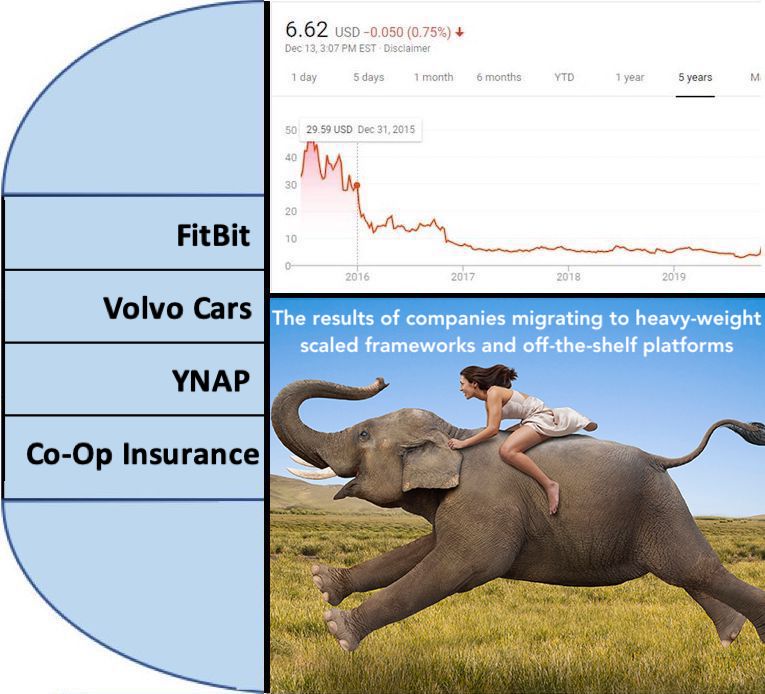
An summary of the results of companies scaling agile with a heavy-weight framework and companies migrating to a heavy-weight off-the-shelf platform.
How large successful companies achieved Agility at Scale
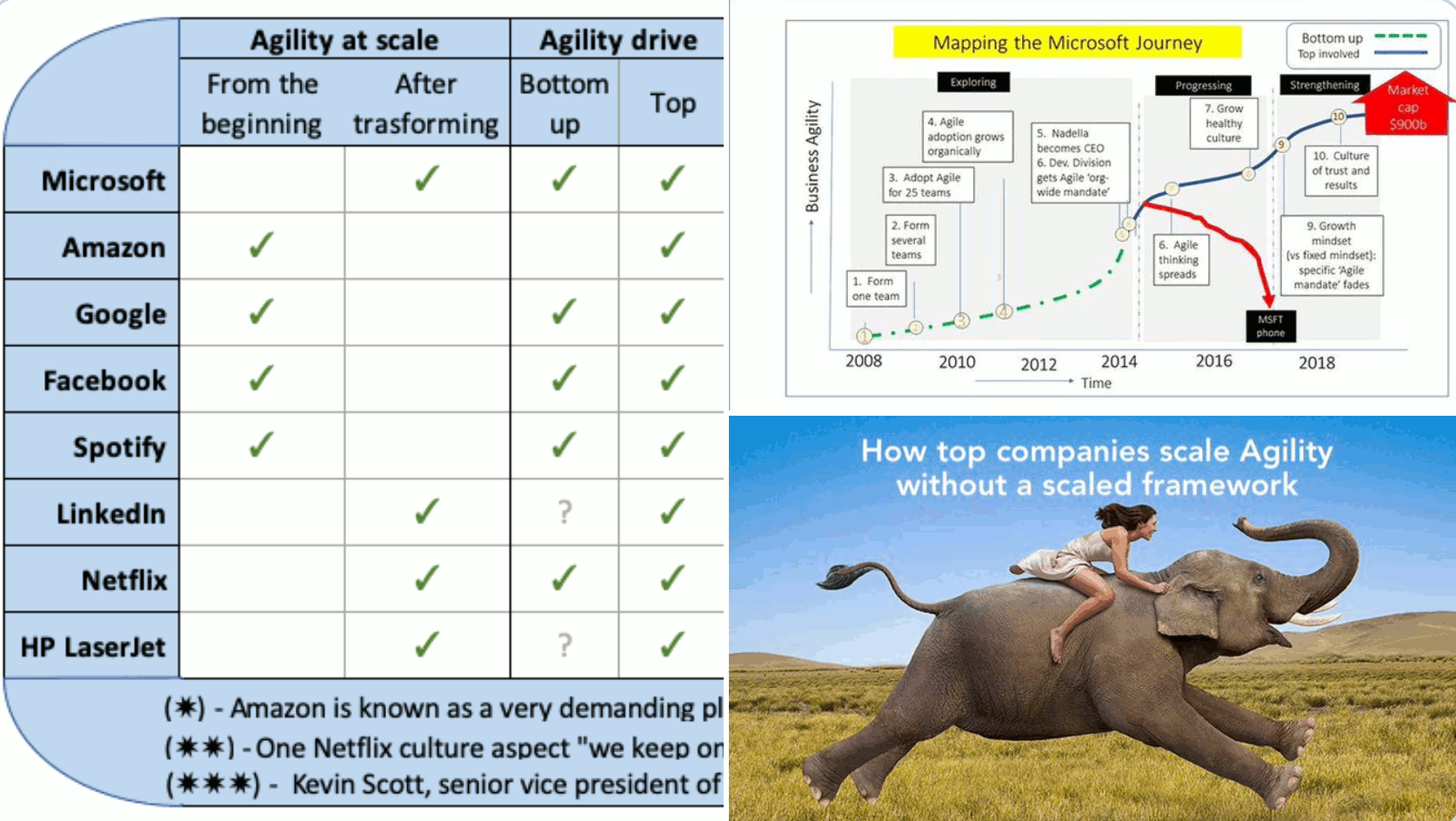
A summary with infographic of how large successful companies like Microsoft, Amazon, Google, Facebook, Spotify, LinkedIn, Netflix and HP LaserJet Firmware achieved agility at scale with tangible and lasting business benefits.
Agile simplicity Vs not reinventing the wheel
Revisiting the trade-off between simplicity and not reinventing the wheel. Finding out if scaled framework are Agile.
How to get involved in the Lean-Agile Community and why

A collection of pointers to get involved in the Lean-Agile Community, a prerequisites for every Lean and Agile practitioner and a required completion for every Lean and Agile framework.
Culture and Cultural change models and ideas

An overview of the techniques and the concepts I have found valuable to understand organisations culture and to think about cultural change
The history of Agile and its Manifesto
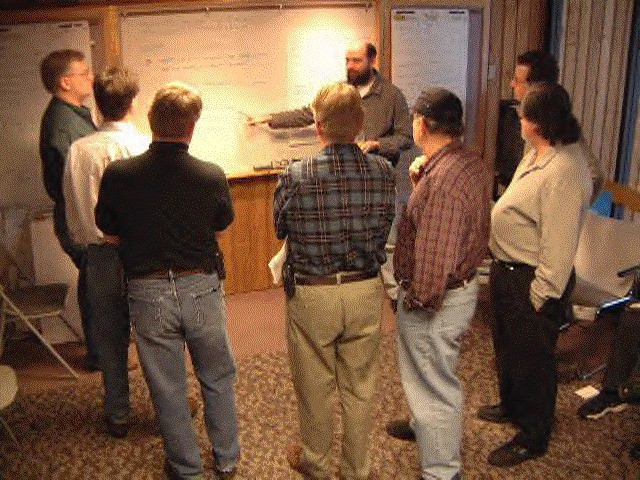
The account from the co-authors of the Manifesto for Agile Software development, and from AgileAlliance.
Would we still have Agile today, if the Agile Manifesto had never happened?
What if the co-authors of the manifesto for agile software development had never come together in that 2001 Snowbird meeting or ever after? Would we still have something like Agile today?
A collection of principles, theories and models relevant to Agile

Which principles, theories and models do you know that help to explain how Agile works, and why it works? Which one would you add to this list?
Continuously develop your Scrum Mastery: the new SM self-assessment kit
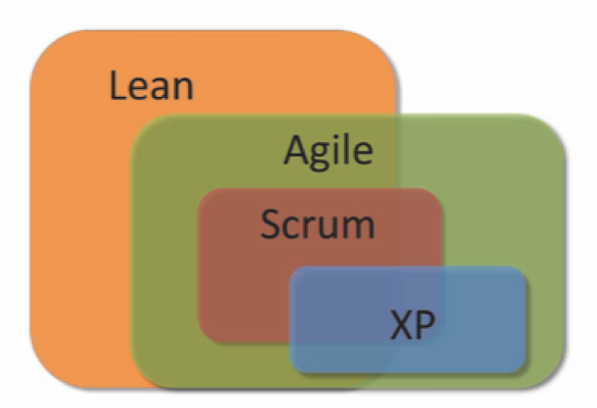
A Scrum Master Self-Assessment Kit can help you start buddying or pair-mentoring to continuously develop your craft as a Scrum Master and Agile expert. Here is the new one.
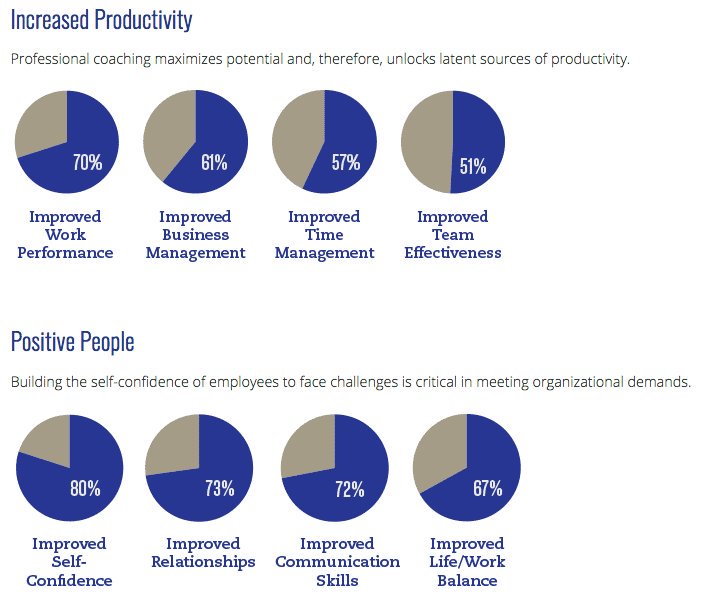


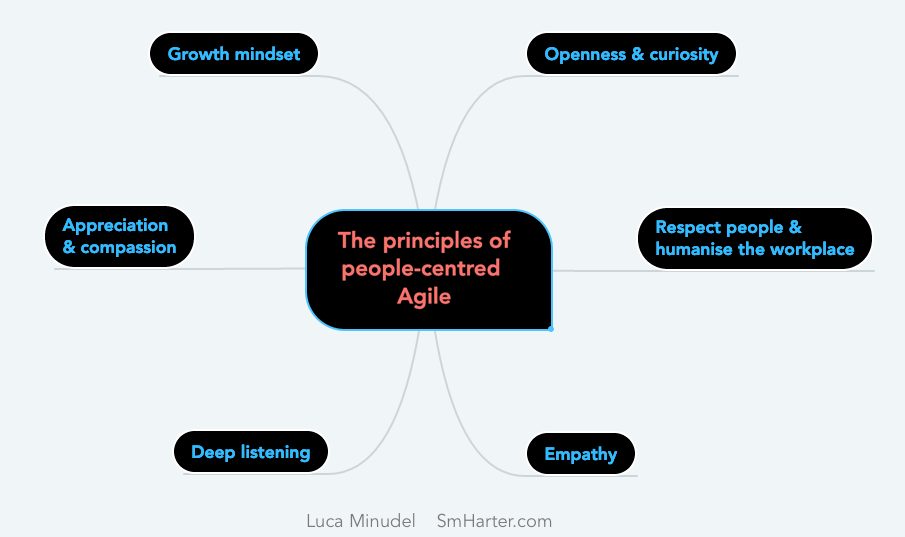
Freshen up Agile Manifesto
When introducing the Manifesto to new Agile practitioners, its outdated language often got in the way of conversations around more interesting points. So I’ve freshened up the language taking inspiration from Kent Beck (talk ‘Beyond Agile Programming’ at Startup Lessons Learned Conference, 2010), Dan North (talk ‘Agile Revisited’ at GOTO conference, 2015), Tom Gilb (Value-driven development values and principles, 2010), and Joseph Pelrine (ebook on Agile teams and self-organising systems, 2011).